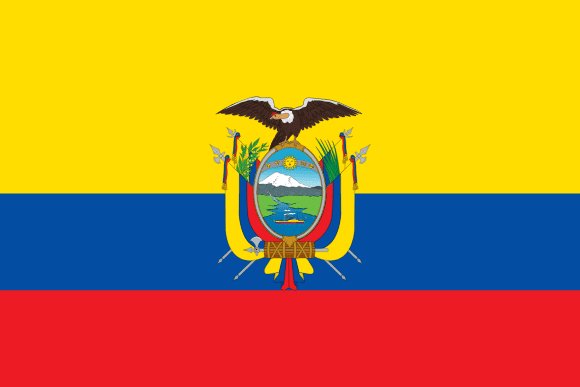
 Ecuador
Key figures
Who is fighting
Ecuador
- Armed Forces of Ecuador (Army, Navy, Air Force)
- National Police
- Prison service (SNAI)
- United States (joint operations since March 2026; intelligence, naval interdiction)
- Colombia and Peru (border cooperation)
Criminal gangs ('grupos de delincuencia organizada')
- Los Choneros (Sinaloa Cartel-aligned)
- Los Lobos (CJNG-aligned) and Los Lobos Box
- Los Tiguerones
- Chone Killers
- Latin Kings, Lagartos, Águilas and others
- Comandos de la Frontera (Colombian dissidents on the border)
- Sinaloa Cartel and CJNG (Mexico)
- Albanian mafia networks (Kompania Bello)
- Clan del Golfo and Colombian dissidents
Force sizes are estimates of personnel or fighters, usually from IISS, government statements or specialist reporting; irregular forces are especially hard to count. "(reported)" marks external support that the backer disputes or has not confirmed.
Background
Ecuador's dollarised economy, ports and location between Colombia and Peru made it a cocaine export hub after Colombia's 2016 peace accord. Prison-based gangs — Los Choneros (allied with the Sinaloa Cartel) and Los Lobos (allied with CJNG) and their splinters — fought massacres inside prisons from 2021 and then in the streets of Guayaquil, Durán, Esmeraldas and Manabí. The homicide rate rose from 5.8 per 100,000 in 2017 to about 47 in 2023.
After Los Choneros leader 'Fito' escaped prison on 7 January 2024, gunmen stormed a TV studio live on air and the country saw riots and kidnappings; on 9 January 2024 Noboa declared an internal armed conflict against 22 'terrorist' groups, deployed the armed forces nationwide and held a referendum backing tougher measures. Fito was recaptured in June 2025 and extradited to the United States; the US designated Los Lobos and Los Choneros as terrorist organizations in September 2025. Fragmentation after leaders' arrests drove a 37% rise in gang-on-gang clashes (ACLED) and 2025 ended with a record 9,216 homicides.
In 2026 Noboa's government reported falling homicides (4,145–4,154 in the first half, about 23 a day), while the Pan American Development Foundation's observatory warned the drop does not restore pre-crisis safety and El Oro's killings rose about 62%. Ecuador began joint operations with US forces on 3 March 2026 — the 'Operation Total Extermination' bombing of a Comandos de la Frontera camp on 6 March was described as the first direct US participation, and Colombia's president accused Ecuador of killing 27 people on Colombian soil — and a decree allowed partner-state personnel to operate with immunity. US Marines began sinking suspected narco-refuelling boats off Ecuador in August–September 2026. ACLED's July 2026 overview recorded a monthly high in gang violence against civilians, concentrated in Manabí.
Recent developments
- 18 October 2026OECO: 4,145 intentional homicides in H1 2026 (about 23 a day), 10.7% below 2025, with El Oro up about 62% and Machala's Jan–Jul toll rising from 159 to 280. source ↗
- 24 September 2026Ecuadorian police with US special operations forces and the DEA arrest over 30 CJNG members in Ecuador. source ↗
- 16 September 2026US forces seize the crews of two alleged Los Choneros refuelling boats in the eastern Pacific and hand them to Ecuador. source ↗
- 31 August 2026Record 430 child and teenage homicides recorded in Jan–Aug 2026. source ↗
- 31 July 2026ACLED: gang violence against civilians hits a monthly high, concentrated in Manabí; a decree lets partner-state security personnel join operations with immunity. source ↗
- 2 June 2026Government reports a 27.7% fall in homicides in the first five months of 2026, a figure far larger than independent observatories' estimates. source ↗
- 1 April 2026Ecuador closes Q1 2026 with over 1,000 violent deaths (about one an hour) despite the government's claimed 28% March drop. source ↗
Timeline
- 28 December 2020Los Choneros leader 'Rasquiña' killed; the gang splinters into Lobos, Tiguerones and Chone Killers, starting the prison wars (316+ inmates killed 2021–2022).
- 9 August 2023Presidential candidate Fernando Villavicencio assassinated in Quito.
- 9 January 2024After 'Fito' escapes prison and gunmen storm TC Televisión, Noboa declares an 'internal armed conflict' against 22 gangs and deploys the military.
- 21 April 2024Referendum approves tougher security measures including military support for police.
- 6 March 2025At least 22 killed in a gang battle in Guayaquil's Nueva Prosperina district.
- 25 June 2025'Fito' recaptured in Manta and extradited to the United States in July; US designates Los Lobos and Los Choneros as terrorist organizations in September.
- 15 December 2025Prison massacre in Machala: 13 Los Lobos members killed by the Los Lobos Box splinter; 2025 ends with a record 9,216 homicides.
- 3 March 2026Joint Ecuador–US operations begin; 'Operation Total Extermination' bombs a Comandos de la Frontera camp on 6 March; Colombia alleges 27 dead on its soil.
- 28 August 2026US Marines begin boarding and sinking suspected narco-refuellers off Ecuador; crews handed to Ecuadorian forces.
Casualties and displacement in detail
| Measure | Low | High | What the figure covers · source |
|---|---|---|---|
| Total killed (cumulative) | 6,150 | 23,000 | Low: ACLED count of people killed in conflict-coded events 9 Jan 2024–1 Nov 2025 (via Wikipedia). High: approximate total intentional homicides from 2024 through July 2026 (about 7,000 in 2024, 9,216 in 2025, 4,882 in Jan–Jul 2026); not all are gang-related. radiopichincha.com ↗ |
| Combatants killed | 42 | – | At least 40 police officers and 2 soldiers killed in the conflict's first phase (compiled); no 2026 update. en.wikipedia.org ↗ |
| Civilians killed | – | – | Homicide data do not distinguish gang members from civilians; 430 children and teenagers were killed in Jan–Aug 2026, a record. telesurenglish.net ↗ |
| Wounded | – | – | Not tracked as a conflict statistic. |
| Deaths in the last 12 months | 8,000 | 9,216 | Intentional homicides (all causes). High: calendar 2025 record of 9,216. Low: approximate trailing-12-month figure given 4,882 homicides in Jan–Jul 2026 (7.8% below the same months of 2025) and about 25 a day in late 2025. The gang-related share is not published. herqles.com ↗ |
| Internally displaced | – | – | No official figure; displacement from Esmeraldas, Durán and El Oro reported anecdotally. |
| Refugees abroad | – | – | Ecuadorian asylum claims abroad rose sharply in 2024–2026 but are not consolidated here. |
Intensity classification: Measured by homicides, not battle deaths: a record 9,216 intentional homicides in 2025 (about 51 per 100,000) and 4,882 in Jan–Jul 2026 (Interior Ministry data via OECO, 7.8% below 2025). ACLED counted 6,150 people killed in conflict-coded events between 9 Jan 2024 and 1 Nov 2025. Most killings are gang-on-gang; security-force combat deaths are a small, unpublished fraction..
Countries affected
Frequently asked questions
Who is fighting in the Ecuador — 'internal armed conflict' against criminal gangs?
Ecuador (Armed Forces of Ecuador (Army, Navy, Air Force), National Police, Prison service (SNAI)), supported by United States (joint operations since March 2026; intelligence, naval interdiction), Colombia and Peru (border cooperation); against Criminal gangs ('grupos de delincuencia organizada') (Los Choneros (Sinaloa Cartel-aligned), Los Lobos (CJNG-aligned) and Los Lobos Box, Los Tiguerones, Chone Killers, …), supported by Sinaloa Cartel and CJNG (Mexico), Albanian mafia networks (Kompania Bello), Clan del Golfo and Colombian dissidents.
How many people have been killed?
Estimates range from 6,150–23,000 killed as of 31 July 2026. Low: ACLED count of people killed in conflict-coded events 9 Jan 2024–1 Nov 2025 (via Wikipedia). High: approximate total intentional homicides from 2024 through July 2026 (about 7,000 in 2024, 9,216 in 2025, 4,882 in Jan–Jul 2026); not all are gang-related. Figures come from the sources listed on this page and differ in method; see the caveats above.
Is the Ecuador — 'internal armed conflict' against criminal gangs still ongoing in 2026?
Status as of 19 October 2026: Active fighting — Ecuador went from one of Latin America's safest countries to its most violent in six years as Albanian-, Mexican- and Colombian-linked trafficking networks turned local gangs — Los Choneros, Los Lobos, Los Tiguerones and others — into armies fighting over the Guayaquil cocaine corridor. President Daniel Noboa declared an 'internal armed conflict' in January 2024, deployed the military, built mega-prisons and, since March 2026, has brought US forces into joint operations, including a bombing of a Comandos de la Frontera camp on the Colombian border. Homicides fell about 8–11% in the first half of 2026 from 2025's record, but remain above 20 a day and are rising in El Oro province.
When did it start?
The current phase began on 9 January 2024, but the underlying conflict dates back to 2018 — 2 years, 9 months ago.
Sources
- ACLED — Pressure rises on Ecuador's government to rein in gang violence acleddata.com
- ACLED Latin America and Caribbean Overview July 2026 acleddata.com
- Radio Pichincha — 4,154 homicides in H1 2026 radiopichincha.com
- Al Jazeera — Ecuador claims 28% drop in homicides (Apr 2026) aljazeera.com
- Wikipedia — Ecuadorian conflict (2024–present) en.wikipedia.org
- Wikipedia — Los Choneros en.wikipedia.org
More conflicts
 Mexico — cartel and organized-crime violence
 Haiti gang war (Viv Ansanm and other gangs vs police, Gang Suppression Force and self-defence groups)
 United States campaign against alleged drug traffickers and intervention in Venezuela (Operation Southern Spear)
 Colombian armed conflict (ELN, FARC dissidents, Clan del Golfo vs state; Catatumbo war)
Cite or link to this page
Glostats. (2026). Ecuador — 'internal armed conflict' against criminal gangs (2026). Retrieved October 19, 2026, from https://glostats.com/conflicts/ecuador-gang-conflict/<a href="https://glostats.com/conflicts/ecuador-gang-conflict/">Ecuador — 'internal armed conflict' against criminal gangs (2026)</a> — GlostatsFigures on this page may be quoted, charted or republished as long as the page is credited with a link. Terms · Download the data as CSV · Embed a live counter.
This page summarises publicly available reporting and does not take sides. Casualty and force figures are estimates compiled on 19 October 2026; see each figure's source for its method and date. Page generated 2026-10-19. How this tracker works.